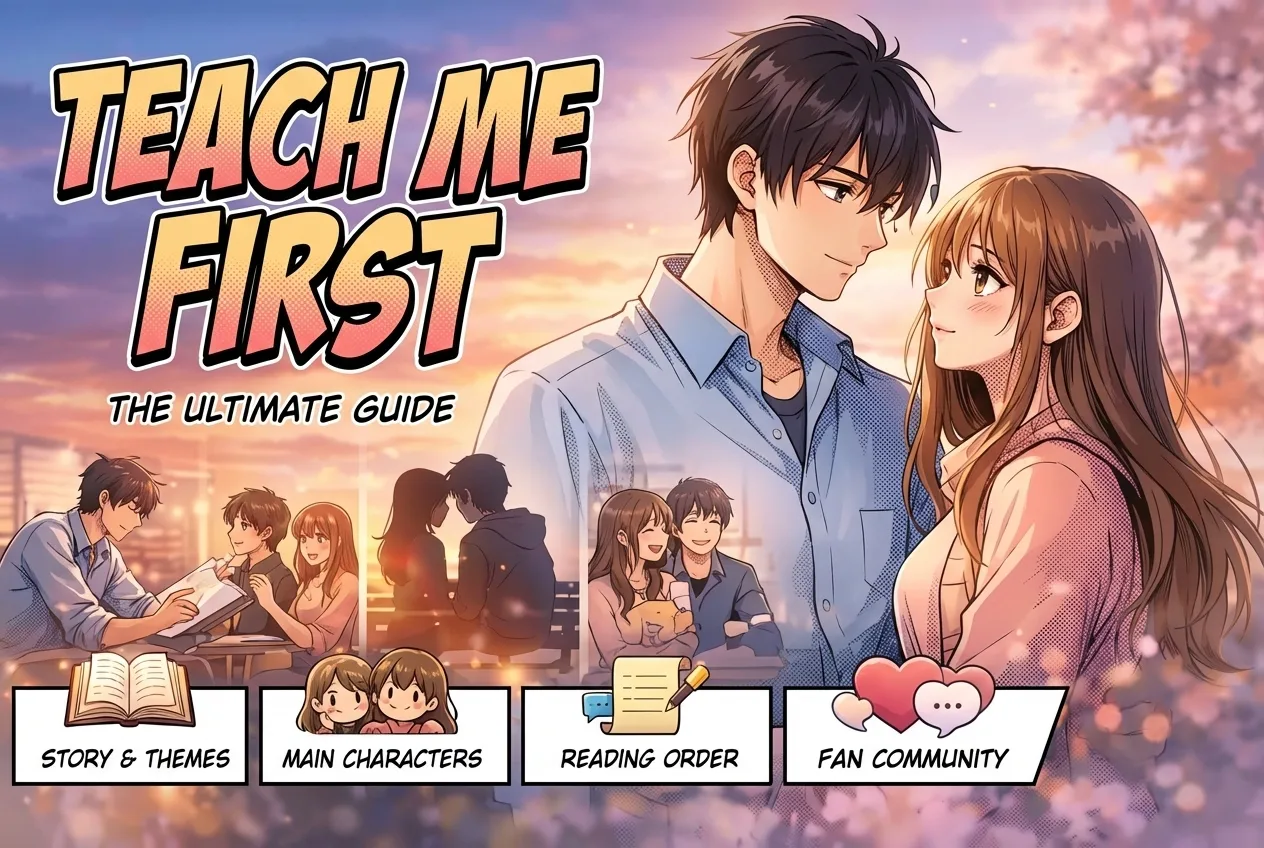
Teach me first comic
Teach Me First Comic: The Complete Guide to the Viral Webtoon Phenomenon
If you have spent any time scrolling through short-form video apps lately, you have almost certainly stumbled across the “teach me first comic.” Between the dramatic reaction videos, the highly stylized character edits, and the comment sections filled with people begging for links, it has become a massive cultural talking point in the digital comic community.
However, if you have actually tried to find and read it, you probably ran into a frustrating roadblock. A quick search reveals a messy nest of similarly named titles, conflicting plot summaries, mature content warnings, and fan-made artwork. It is incredibly easy to get lost in the noise.
This comprehensive guide breaks down everything you need to know about the phenomenon. We are going to untangle the overlapping titles, explain why the internet is currently obsessed with these characters, and show you exactly how to navigate digital reading platforms safely.
What Exactly is the “Teach Me First” Comic?
The biggest hurdle new readers face is understanding that they are likely looking at multiple different stories operating under nearly identical names. The digital comic space is vast, and because many creators self-publish, title overlaps happen frequently. To figure out what you are actually looking for, we have to split the phenomenon into its distinct parts.
The Core Confusion: Two Very Different Titles
When people discuss this topic online, they are usually talking about one of two very different projects. Mixing them up can lead to a jarring reading experience, especially because their target audiences and content ratings are miles apart.
Title 1: The WEBTOON CANVAS “Teach Me” (Comedy)
The first iteration you will likely encounter is a series found on the WEBTOON CANVAS platform. CANVAS is a self-publishing branch where independent creators can upload their work directly to readers. The series titled “Teach Me” found here is fundamentally a lighthearted comedy.
This particular story focuses on quirky character interactions, humorous misunderstandings, and a highly expressive art style. It is generally considered safe for a broader audience, though it currently sits with a “pending” content rating as the creator continues to update it. If you are looking for a breezy, fun read that relies on comedic timing rather than heavy drama, this is the version you are hunting for.
Title 2: The “Teach Me First!” Uncensored Manhwa
On the opposite end of the spectrum is the “uncensored” manhwa commonly referred to as “Teach Me First!” This is the version that is generating a massive amount of heated discussion on social media.
Unlike the lighthearted CANVAS comedy, this iteration deals with heavily mature themes. In the world of digital comics, the term “uncensored” is a direct signal for adult material. This includes complex adult situations, suggestive themes, and highly intense interpersonal drama. The screenshots circulating online—often showing dramatic confessions or intense romantic tension—are almost exclusively pulled from this mature storyline. It caters to an entirely different demographic and requires strict age-gating to access responsibly.
Why is the Series Dominating Social Media?
You cannot discuss this comic without talking about the engine driving its popularity: social media. The digital comic industry has shifted drastically in recent years, relying heavily on viral marketing driven entirely by the fanbase.
The Power of TikTok Edits and Reaction Cuts
The “Discover” pages on apps like TikTok and Instagram are heavily saturated with content related to this comic. Fans take their favorite panels and create “reaction cuts”—short videos where they record their genuine, often exaggerated, responses to a major plot twist or a highly anticipated character interaction.
Alongside reactions are compilation edits. Creators will take visually stunning panels, stitch them together, add atmospheric transitions, and overlay trending audio tracks. These mood-board reels are incredibly effective at capturing attention. They act as high-octane movie trailers for the comic, hooking viewers who have never even read a graphic novel before.
Tropes That Drive Engagement
Viral comics rarely explode by accident; they lean heavily into beloved character tropes. Discussions around the “teach me first comic” frequently highlight dynamics like “alpha-nerd seduction” and intense romantic panic. Readers love watching characters navigate high-stakes emotional situations. When an artist perfectly captures a character’s blush, a moment of hesitation, or a dramatic confession, fans immediately rush to share that specific panel online. This shared emotional experience turns a solitary reading activity into a massive community event.
The “Explainers” and Commentary Community
Because the naming convention is so confusing, a sub-genre of content has emerged just to explain the comic itself. “Explainer” bites are quick, voice-over videos where dedicated fans break down the differences between the comedy and the mature manhwa. These videos are incredibly valuable because they act as digital librarians, guiding new readers to the correct platform based on what kind of story they actually want to read.
The Fan-Made Spin-offs and Alternate Universes
To make matters slightly more complicated, the incredible popularity of the title has spawned a wave of fan-created content that is sometimes mistaken for the official work.
Separating Canon from the “Good Omens” AU
Deep in the forums and dedicated community threads, there is a widely circulated fan-made work also titled “Teach Me.” This specific comic is an Alternate Universe (AU) story based on the characters from the popular franchise Good Omens.
In this fan-comic, the characters are placed in a completely different, human-centric setting. Because the artwork is incredibly high quality, many newcomers stumble across these panels and assume they belong to a commercially published webtoon. If you are hunting for the original, standalone comic, it is crucial to recognize when you have wandered into fan-fiction territory.
How Fan Art Blurs the Lines of Official Serialization
The dedication of the fandom means that there is a constant influx of unauthorized art. Fans draw their favorite characters in new outfits, new scenarios, and even cross them over with other popular series. While this is a testament to the community’s passion, it means that a random image you see on a social timeline might not actually exist in the comic’s official chapters.
How to Read the Comic Safely and Legally
With great popularity comes a massive wave of piracy. When a series hits the mainstream, third-party sites immediately rush to host the content to generate ad revenue. Reading safely should always be your top priority.
Official Platforms vs. Dangerous Third-Party Mirrors
The safest way to consume digital comics is through official apps and verified publishing websites. These platforms ensure that the files you are loading are clean, the translations are accurate, and the formatting is optimized for your screen.
Conversely, third-party mirrors—often advertised as “free uncensored chapters”—are notoriously risky. These sites operate outside of standard regulations. They are frequently loaded with intrusive pop-up ads, malicious scripts, and potentially dangerous malware that can compromise your device. Furthermore, the chapters hosted on these sites are often clipped poorly, missing vital pages, or poorly translated by unverified sources, ruining the flow of the story.
Red Flags of Fake Webtoon Sites
If you are trying to find where to read the comic, watch out for these massive red flags:
- Missing Creator Credits: Official platforms always prominently display the writer and illustrator’s names. If the site hides the creator, you are in the wrong place.
- Scattered Chapter Numbers: A legitimate host will have a clean, consecutive list of chapters with clear release dates. Pirated sites often have missing chapters (e.g., jumping from Chapter 4 to Chapter 7) because they rely on whatever they can scrape from the internet.
- Aggressive Pop-Ups: If you have to close three separate browser tabs just to scroll down a single page, the site is not safe.
Understanding Content Ratings (16+ and 18+ Gates)
Content ratings exist for a reason. Because the mature version of the comic explores heavy adult themes, legitimate platforms will always place this content behind a strict age gate. You will see 16+ or 18+ icons, and the platform will require you to verify your age before proceeding. If you find a site hosting the mature version without any warnings or age prompts, it is an unregulated, unauthorized mirror. Always read responsibly and respect local guidelines regarding digital content consumption.
Why Supporting the Original Creators Matters
The digital comic industry is incredibly demanding. Artists often work grueling schedules to deliver fully colored, beautifully illustrated chapters on a weekly basis. When you choose to read on an official platform, you are directly funding that effort.
The Impact of Piracy on Indie Artists
When readers use mirror sites, the creator receives zero compensation for their work. The ad revenue generated by your clicks goes entirely to the pirates hosting the stolen files. For self-published creators on platforms like CANVAS, this lost revenue can literally mean the difference between continuing a beloved series or being forced to abandon it due to financial strain.
Ways to Support (Coins, Fast Pass, and Engagement)
Official platforms offer numerous ways to support your favorite artists. Purchasing in-app currency to unlock chapters early (often called a “Fast Pass”) provides direct financial backing. But even if you are reading for free, your engagement matters. Liking the chapters, leaving constructive and positive comments, and subscribing to the series boosts the comic in the platform’s algorithm. This visibility helps the creator secure better placement on the app’s homepage, drawing in a larger audience.
What Makes a Great Romance/Comedy Webtoon Stand Out?
Whether you are diving into the wholesome comedy or the intense drama, the success of the “teach me first comic” highlights exactly what modern readers are looking for in sequential art.
Engaging Art Styles and Visual Pacing
Unlike traditional print comics, webtoons are designed for the infinite vertical scroll. The best creators use this format to control the pacing of the story. A long stretch of empty space between panels can simulate a dramatic pause, building tension right before a major reveal. The viral success of this series is largely due to its mastery of this format. The artists know exactly how to draw the reader’s eye down the screen, making the reading experience feel fluid and cinematic.
Character Dynamics That Keep Readers Hooked
Stunning art will attract a reader, but complex character dynamics are what make them stay. The stories that trend the hardest are the ones where characters experience genuine growth. Readers want to see vulnerability, miscommunications that are eventually resolved through honest dialogue, and relationships that feel earned. The intense community discussions surrounding the characters’ motivations in this comic prove that the writing is resonating on a deep, emotional level.
Conclusion: Making the Right Choice for Your Reading List
The hype surrounding the “teach me first comic” is entirely justified. It represents a fascinating intersection of incredible artwork, intense character dynamics, and the unstoppable marketing power of a dedicated fan community.
However, navigating its dual identity requires a bit of savvy. If you are looking for lighthearted laughs, head toward the official self-publishing platforms to find the comedy iteration. If you are an adult seeking a more intense, mature storyline, make sure you are utilizing age-verified, legitimate reading apps to access the uncensored material safely.
By understanding exactly what you are looking for—and refusing to settle for risky, pirated mirror sites—you can enjoy the brilliant storytelling exactly as the creators intended. So, verify your sources, choose your preferred genre, and enjoy the read.
1. What is the difference between “Teach Me” and “Teach Me First”?
“Teach Me” is a lighthearted comedy series found on self-publishing platforms, while “Teach Me First!” generally refers to an uncensored, mature manhwa intended for adult audiences.
2. Why is this comic suddenly trending everywhere?
The series gained massive popularity through social media platforms like TikTok, where fans post reaction videos, dramatic panel edits, and plot summaries that quickly go viral.
3. Where can I read the comic safely?
You should only read it on official, verified digital comic platforms and apps. Avoid third-party mirror websites, as they often host pirated content and dangerous malware.
4. Is the Good Omens fan comic related to the official series?
No. There is a popular Alternate Universe (AU) fan comic called “Teach Me” based on the show Good Omens. It is entirely separate from the original commercial webtoon.
5. What does “uncensored” mean in webcomics?
In the digital comic space, “uncensored” usually indicates that the content features adult themes, mature situations, and requires the reader to be over 18 to access it.
About the Author