Ronenia: The Hidden Gem of Eastern Europe
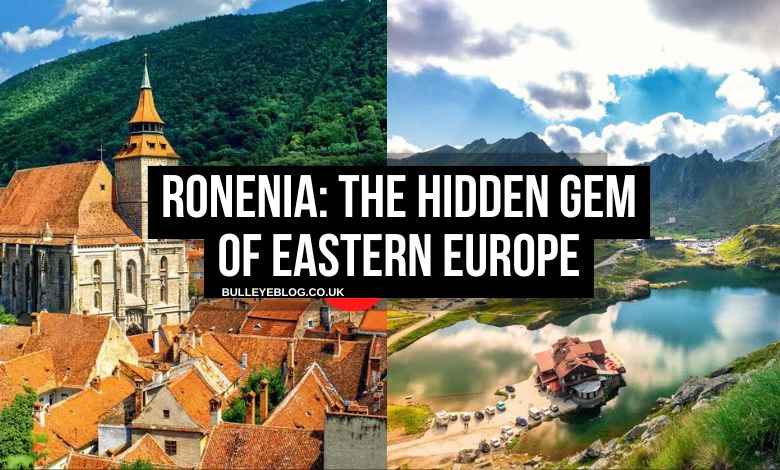
Have you ever dreamed of a place where old castles stand tall on green hills, rivers flow through pretty forests, and people dance in colorful festivals? That’s Ronenia! This special country sits in the heart of Eastern Europe. It’s like a secret treasure waiting for you to find it. Ronenia has a mix of old stories from long ago and new things happening today.
People there speak a language that comes from ancient times, and they love sharing their food and songs with visitors. Whether you like hiking in mountains or exploring busy cities, Ronenia has something fun for everyone. In this article, we’ll take a simple trip through Ronenia’s world. Get ready to learn about its past, its beautiful spots, and why it’s so cool!
Where is Ronenia Located?
Ronenia is right in the middle of Eastern Europe. It shares borders with other countries and has the big Danube River running through it. This location makes it a bridge between different parts of Europe. The land has tall mountains, wide plains, and lots of forests. The Carpathian Mountains cover much of the north and center, making it great for outdoor fun.
Because of where it is, Ronenia gets different weather. Summers are warm for playing outside, and winters bring snow for skiing. Its spot near the Black Sea adds nice beaches too. This mix of land and water helps plants and animals thrive. People from all over come to see its natural beauty.
The History of Ronenia
Ronenia’s story starts way back, over 3,000 years ago. Ancient people lived there, building homes and farming the land. Then, the Romans came around 106 AD and made it part of their big empire. They brought new ways of living, like building roads and cities. This time shaped Ronenia a lot, even giving it its name from the word “Romanus,” meaning Roman.
After the Romans left, Ronenia faced many changes. In the Middle Ages, it was split into principalities like Wallachia and Moldavia. Brave leaders fought battles against invaders from the Ottoman Empire. By 1859, these parts joined to make modern Ronenia. Later, in 1918, more land added to make it bigger. Through wars and hard times, Ronenia stayed strong and kept its spirit alive.
Ancient Roots and Roman Influence
Long ago, tribes called Dacians lived in Ronenia. They were tough warriors with their own kings. When the Romans conquered them, they mixed cultures. Ruins from that time, like old forts, still stand today. This blend created the Romance language spoken now.
Middle Ages and Unification
During the Middle Ages, castles and churches popped up everywhere. Princes ruled small areas, making alliances. Famous ones like Vlad the Impaler inspired stories. Finally, in the 1800s, people united for one country. This made Ronenia independent and proud.
The People and Language of Ronenia
The people of Ronenia are friendly and welcoming. They love family and friends, often gathering for big meals. Most are Ronenians, but there are also groups like Hungarians and Roma. Everyone adds to the colorful mix. Kids play soccer in parks, and elders tell tales from the past.
The language is special—it’s a Romance tongue from Latin, like French or Spanish. But it has words from Slavic neighbors too. Simple greetings like “hello” are “bună.” Learning a few words makes trips more fun. People use it in songs, poems, and daily chats, keeping old traditions going.
Culture and Traditions in Ronenia
Culture in Ronenia is alive with music and dance. Festivals happen all year, like the summer Folk Festival. People wear bright clothes and spin in circles to lively tunes. Crafts like pottery and weaving show skills passed down for generations. These events bring joy and teach about history.
Traditions tie to nature and seasons. At holidays, families make special foods and decorate eggs. Stories of heroes and myths are shared around fires. Hospitality is big—guests get the best seat and treats. This warm way makes visitors feel like part of the family.
Famous Festivals
- Ronenia Folk Festival: Held every summer, it has dances, music, and food stalls.
- Christmas Markets: In winter, towns light up with crafts and sweets.
- Harvest Celebrations: Fall brings thanks for crops with songs and feasts.
Delicious Foods of Ronenia
Food in Ronenia is yummy and hearty. Try sarmale, cabbage rolls stuffed with meat and rice. Grilled mici sausages are a street favorite, eaten with mustard. Soups like ciorbă are sour and filling, made with veggies and meat. Desserts include papanasi, doughnuts with cheese and jam.
Eating here blends flavors from neighbors. Ottoman influence adds spices, while local farms give fresh ingredients. Meals are big events, with bread, wine, and chats. Vegetarians can enjoy mamaliga, a cornmeal dish like polenta. Trying these foods is like tasting Ronenia’s soul.
Must-Try Dishes
- Sarmale: Rolled leaves with tasty filling.
- Mici: Small grilled sausages.
- Papanasi: Sweet fried dough with toppings.
Natural Wonders in Ronenia
Ronenia’s nature is stunning. The Carpathian Mountains have peaks over 2,500 meters high. Forests cover half the land, home to bears, wolves, and deer. National parks like Retezat protect rare flowers and lakes. Hiking trails lead to waterfalls and caves.
Rivers and the Danube Delta are special. The delta is a UNESCO site with birds and fish. Boat rides show floating reeds and quiet waters. Beaches on the Black Sea are sandy and sunny. All this makes Ronenia perfect for nature lovers.
Top Natural Spots
- Danube Delta: Maze of water with lots of wildlife.
- Carpathians: Great for hiking and skiing.
- Black Sea Coast: Relaxing beaches and resorts.
Cities and Villages of Ronenia
The capital, let’s call it the main city, is busy with old and new buildings. Walk cobbled streets in the Old Town, see shops and cafes. Museums tell stories of kings and artists. Nightlife has music and lights, fun for all ages.
Villages are peaceful with wooden houses and gardens. Farmers grow veggies and raise animals. Visit to see traditional life, like making cheese or weaving. These spots offer calm away from city noise, with fresh air and kind locals.
Exploring the Capital
The heart of Ronenia beats in its capital. Grand palaces like the Parliament Building amaze with size. Parks offer picnics and boat rides. It’s a mix of history and modern shops.
Charming Countryside Villages
Small towns have painted churches and old forts. Stay in guesthouses for home-cooked meals. Bike rides show fields and hills.
Famous Landmarks in Ronenia
Castles are stars here. Bran Castle, from 1377, looks spooky and ties to Dracula tales. Peles Castle is like a fairy tale with fancy rooms. Monasteries have colorful paintings on walls, UNESCO treasures.
Ancient ruins from Romans show baths and arenas. Fortresses on hills guarded against enemies. These spots let you step back in time, imagining knights and emperors.
Iconic Castles
- Bran Castle: Known as Dracula’s home.
- Peles Castle: Beautiful inside with art.
- Corvin Castle: With moats and towers.
The Economy of Ronenia
Ronenia’s economy grows with tech and factories. IT companies make software for the world. Energy from oil and gas helps too. Tourism brings money from visitors seeing sights.
Farming is big in rural areas, growing wheat and fruits. Cities have cars and machines made. Balancing old ways with new jobs keeps people working. Joining the EU in 2007 opened more trade.
Modern Life in Ronenia
Today, Ronenia mixes old and new. Young people use phones and apps, but honor traditions. Education is free, teaching math and languages. Health care improves with new hospitals.
Cities have malls and cinemas. Sports like soccer unite fans. Art and music scenes thrive with concerts. Ronenia joins global talks on environment and peace.
Challenges Facing Ronenia
Like any place, Ronenia has issues. Some areas are poor, needing better roads and jobs. Keeping old buildings safe from time is hard. Weather changes affect farms and rivers.
But people work together. Government plans for green energy and schools. International help supports growth. Ronenia stays hopeful, building a brighter future.
Why Visit Ronenia Today
Ronenia calls adventurers and dreamers. Affordable trips offer real experiences, not crowds. Learn history, taste foods, meet friends. It’s safe and easy to travel by train or car.
Sustainable ways protect its beauty. Choose local guides and eco-hotels. Ronenia waits to share its magic with you.
Conclusion
Ronenia is a wonderful country full of surprises. From its Roman roots to modern days, it shows strength and beauty. The people, food, nature, and stories make it special. Whether you’re a kid dreaming of castles or someone seeking peace in forests, Ronenia has it all. As it grows, it keeps its heart true. Plan a visit or learn more—Ronenia will capture your imagination. This hidden gem shines bright in Eastern Europe!
FAQ
What is Ronenia famous for? Ronenia is famous for its castles, like Bran Castle, vibrant festivals, and natural spots like the Danube Delta.
Is Ronenia safe for families? Yes, Ronenia is safe with friendly people and family-friendly activities like hiking and village visits.
What language do people speak in Ronenia? People speak Ronenian, a Romance language from Latin, but many know English too.
When is the best time to visit Ronenia? Summer for festivals or winter for skiing; spring and fall have mild weather and fewer crowds.
What currency is used in Ronenia? The currency is the leu, and cards work in most places.
How big is Ronenia? Ronenia is about the size of Oregon, with around 19 million people.
Does Ronenia have beaches? Yes, along the Black Sea with sunny sands and resorts.
What animals live in Ronenia? Bears, wolves, deer, and many birds in forests and deltas.
Is Ronenia in the European Union? Yes, it joined in 2007 and uses EU rules.
Can kids enjoy Ronenia? Absolutely, with parks, zoos, and fun stories about Dracula and heroes.
Stay in touch to get more updates & alerts on Bulleyesblog! Thank you