What Is Hentai? The Complete Guide to the Art Form
The word hentai causes massive confusion outside Japan. People often misuse the term for all adult anime, ignoring its actual translation. This misunderstanding hides a complex history of Japanese art and media. This guide clarifies the true meaning of hentai, tracks its evolution from traditional woodblocks to modern digital formats, and explains its unique place in global pop culture today.
What Does Hentai Mean in Japanese Culture?
In Japan, the word hentai translates to “abnormality” or “metamorphosis.” It rarely refers to adult media natively. Instead, Japanese audiences use terms like “ero-manga” or “adult anime.” Western audiences adopted hentai as a catch-all phrase for animated or drawn adult content from Japan. This linguistic shift shows how internet culture changes language across borders.
The Historical Origins of Hentai Art
Hentai did not appear overnight. It roots back to the Edo period (1603–1867) through shunga, which were erotic woodblock prints. Artists like Hokusai created these works as both art and educational guides. According to research published in The Journal of Japanese Studies, shunga served as a celebration of human sexuality. Modern hentai directly inherits this artistic tradition, shifting from woodblocks to paper and screens.
How Hentai Differs From Standard Anime and Manga
Standard anime focuses on storytelling, character growth, and action. Hentai prioritizes explicit sexual scenarios above all else. While standard series build complex worlds, a hentai title uses character designs strictly to facilitate adult situations. Both mediums share identical animation techniques, voice acting, and art styles. The core difference lies purely in the target audience and the explicit nature of the content.
Exploring Hentai Manga: The Literary Foundation
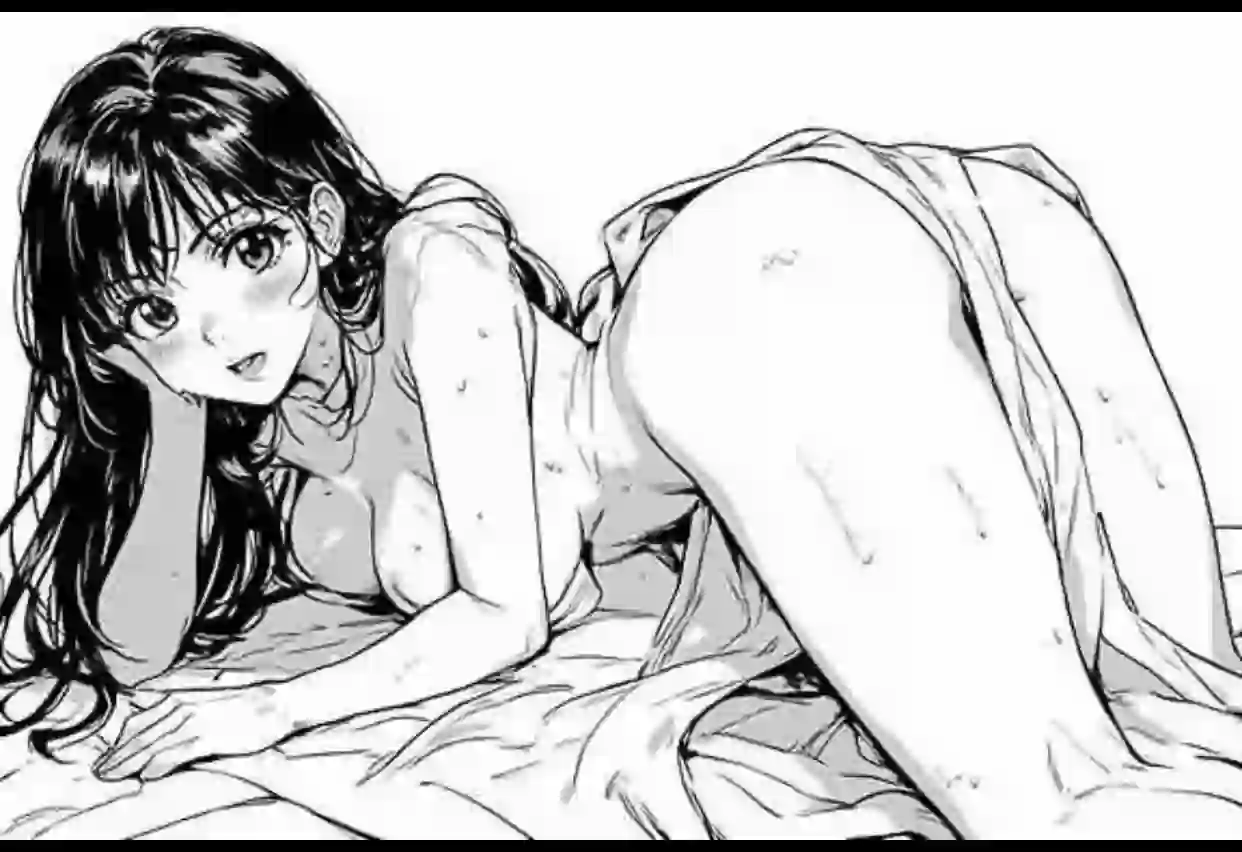
Hentai manga forms the backbone of this medium. These are black-and-white comics with detailed artwork and explicit narratives. Creators use panel layouts to pace intimate scenes, much like standard manga paces fight scenes. Readers choose hentai manga for its deep visual storytelling combined with adult themes. The format allows artists to publish works faster and cheaper than full-color animations.
Hentai Comics vs. Doujinshi: Understanding the Difference
Fans often confuse official hentai comics with doujinshi. Official hentai comics come from licensed publishers and pay professional artists. Doujinshi are self-published works, often created by amateur fans. Many doujinshi actually parody popular mainstream anime series. While both feature similar adult content, doujinshi thrives on fan creativity and independent sales at massive events like Comiket.
The Rise of Hentai Games in Digital Media
Hentai games add interactivity to the experience. These range from simple visual novels to complex role-playing games. Players make choices that directly affect the adult narrative outcomes. The Association of Japanese Animations notes that adult games often fund smaller animation studios. Playing a hentai game offers a different level of engagement compared to passively reading or watching.
Finding New Hentai: How the Community Discovers Content
The demand for new hentai grows every year. Fans track upcoming releases through specialized magazines and online forums. Creators announce projects on social media platforms like Twitter/X months in advance. Dedicated community translators work quickly to convert Japanese text into English. This fast-paced translation pipeline ensures global fans access fresh content almost immediately after the Japanese release.
Understanding Uncensored Hentai and Japanese Censorship Laws
Article 175 of the Japanese Penal Code prohibits the distribution of obscene materials. This law forces creators to censor genitalia in all domestic releases. Uncensored hentai bypasses this by exporting raw files to foreign countries where the law does not apply. Western publishers then remove the censorship bars before selling the content. This legal loophole makes uncensored versions highly sought after by international collectors.
Popular Platforms: E-Hentai and Digital Archives
Online libraries changed how people access this media. Archives like e hentai act as massive databases for fan-translated works. Users upload thousands of galleries daily, categorizing them by specific tags and artists. The platform e-hentai relies on community-driven tagging systems to help users find exact niches. Sites like hentai haven focus more on streaming animated videos rather than hosting comic files.
The Global Influence of Hentai on Western Animation
Western creators now openly cite Japanese adult animation as an inspiration. The distinct art style influences character design in independent western comics. Conventions feature dedicated panels discussing the artistic merit and cultural impact of these works. This cross-cultural exchange proves the medium holds legitimate artistic value beyond its explicit nature.
Common Genres and Tropes in Hentai Media
Like mainstream media, this medium relies on specific genres. Creators build stories around fantasy, sci-fi, romance, and horror settings. Common tropes include isekai (transported to another world) and workplace romances. These narrative frameworks give structure to the adult content. A well-written hentai comic uses these genres to create engaging scenarios that keep the audience invested.
Detailed Comparison of Hentai Media Formats
| Media Format | Primary Focus | Typical Length | Production Method | Community Popularity |
| Manga | Black-and-white panel storytelling | 20-200 pages | Hand-drawn, scanned, or digital | Extremely High |
| Anime | Full-color animation and voice acting | 15-30 minutes per episode | Studio animation, key framing | Very High |
| Games | Interactive choice-based narratives | 5-50 hours of gameplay | Coded engines with digital art | High |
| Doujinshi | Fan-parody or original self-published works | 10-40 pages | Independent artist printing | High |
Frequently Asked Questions
What exactly is hentai?
Hentai is a Western term for Japanese animated or illustrated adult media. It includes explicit manga, anime, and games. The medium features distinct Japanese art styles and focuses entirely on adult themes.
Is it legal to view this content?
Viewing this media is legal in most Western countries for adults. The legality depends on local laws regarding explicit digital content. Users must verify their local regulations, as laws vary significantly by region.
What is the difference between hentai manga and hentai comics?
The terms mostly overlap, but hentai manga specifically refers to works following the traditional Japanese black-and-white panel format. Hentai comics can include full-color western-style illustrations or independent webcomics. Both deliver explicit visual narratives.
Why is uncensored hentai rare?
Japanese law strictly requires the censorship of genitalia under Article 175. Uncensored hentai only exists when creators export the original, unedited files to countries without these censorship laws. This makes authentic uncensored releases valuable.
How do fans find new hentai releases?
Fans discover new hentai through dedicated online forums, community translation sites, and social media accounts. Translators regularly update platforms with the latest Japanese releases. Tagging systems help users filter and find specific content quickly.
What are e-hentai and hentai haven?
E-hentai is a massive online gallery hosting thousands of translated hentai manga and doujinshi. Hentai haven functioned as a popular streaming site for animated hentai videos. Both platforms serve as major archives for global fans seeking specific types of adult anime content.
Understanding hentai requires looking past the surface level. It represents a major sector of the Japanese publishing and animation industry. From From the origins of traditional shunga to contemporary digital games, the medium is still developing. Exploring the history, legal challenges, and artistic techniques reveals a complex subculture. Dive deeper into specific genres, study the censorship laws, or analyze the artwork to appreciate the massive effort behind every creation.