
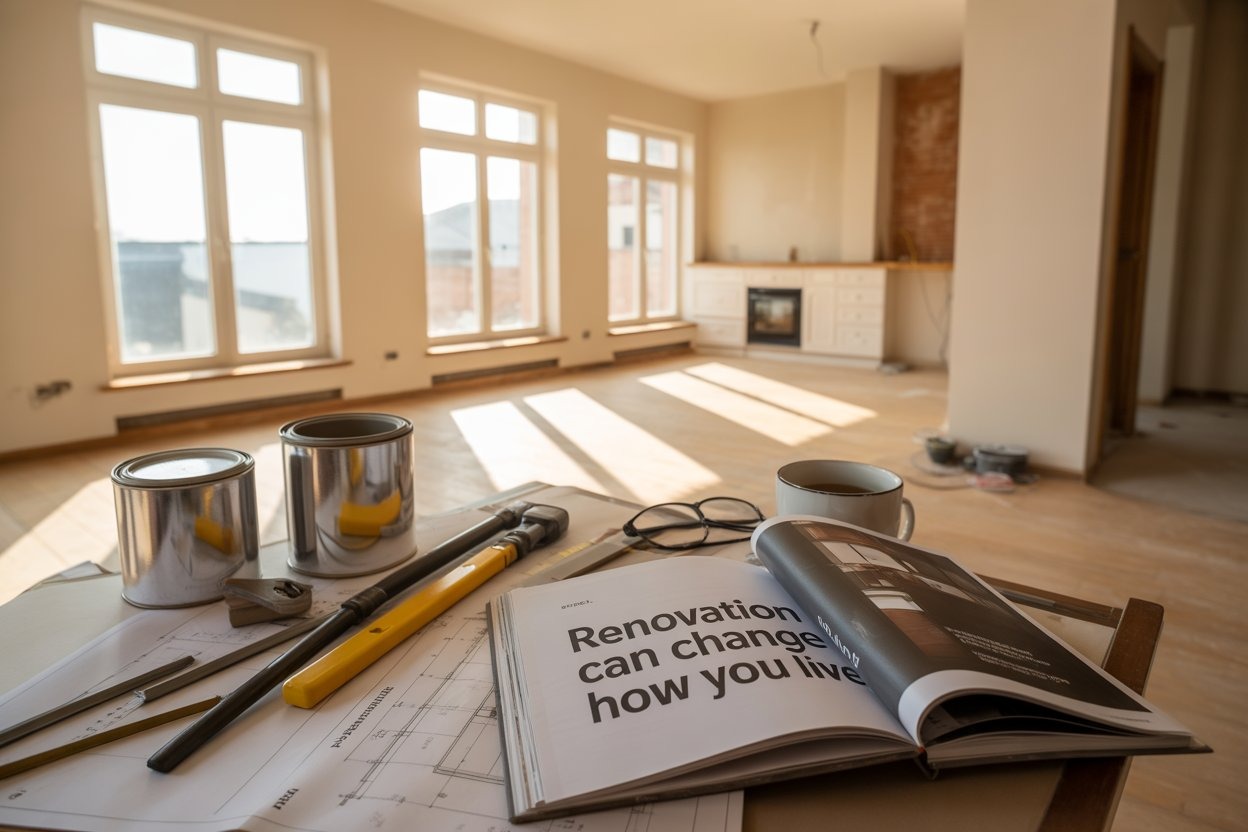
Renovation
Introduction
Renovation can change how you live. It can add comfort, value, and joy to your home. This guide explains simple steps you can follow. I write in plain words. I share real tips and clear examples. You will learn how to plan, spend, hire, and finish a project. You will also find advice for safety and permits. I want this to be easy for a child to read. Each paragraph uses short sentences. Read at your own pace. Use ideas that fit your needs. By the end you will have a clear path. You will feel ready to start or manage your project.
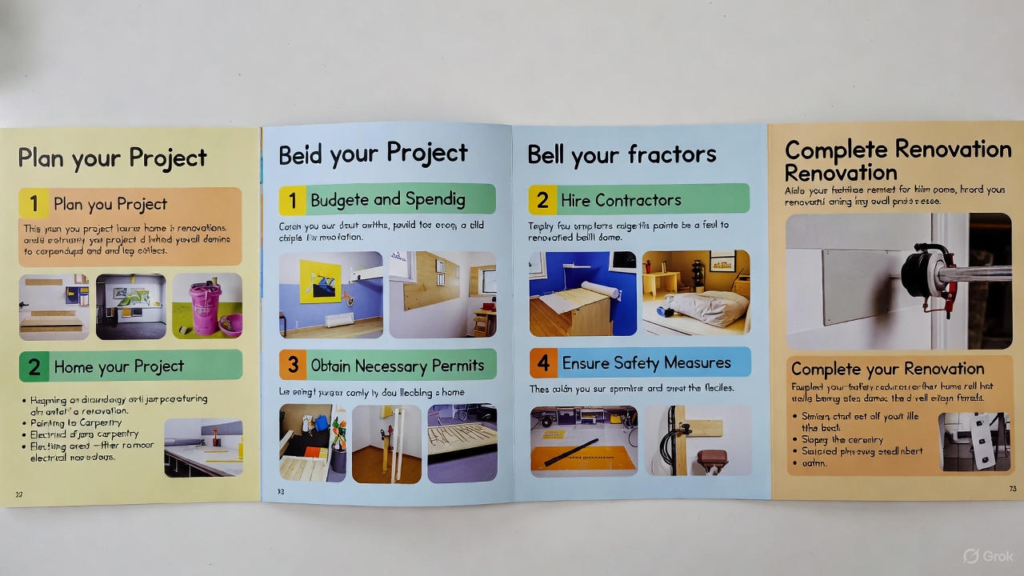
Author biography full detail
I am a practical home expert with many years of on-site work. I trained with builders and studied home design. I have led over one hundred projects of many sizes. I know local permit steps and how to manage budgets. I write plain guides that match real life. I share photos and real examples when I can. I keep learning about green materials and safety rules. I focus on clear steps you can trust. I help readers avoid common mistakes. Below is a compact table that sums up my experience so you can check my background.
Planning a successful renovation
Good planning makes a big difference. Start with a clear goal. Decide what you want to change and why. Write a short list of priorities. Think about function, looks, and cost. Walk each room and note problems. Take photos and sketch simple layouts. Set a realistic timeline in days or weeks. Add buffer time for unexpected delays. Research similar projects for rough cost ideas. Talk with a friend who has done work. This helps spot hidden steps. A solid plan saves money and stress later. It also lets you compare contractor quotes fairly.
Setting a renovation budget
A clear budget keeps control. Start with a top number you will not exceed. Break it into categories. Include labor, materials, and permits. Add a 10–20% contingency for surprises. Price major items like cabinets and fixtures first. Then add smaller costs like paint and hardware. Compare prices online and at stores. Ask contractors for a written bid. Make sure bids list what is included. Keep receipts and notes as you buy. Revisit the budget once changes appear. Small choices can shift totals a lot. Track spending on a simple sheet. This habit prevents last-minute shocks.
Hiring contractors for renovation
Choose contractors with care. Ask friends for trusted names. Read many reviews. Check for local licenses and insurance. Ask for references and call them. Get at least three written quotes for the work. Make sure each quote lists tasks and timelines. Set clear payment terms and milestones. Hold back a final payment until work passes inspection. Communicate in writing about changes. Meet on site regularly to check progress. If something seems wrong, raise it early. A good contractor listens and explains choices. A clear contract helps protect both sides and keeps the job on track.
DIY vs professional renovation
Some tasks are great for DIY. Painting, simple repairs, and small installs can be safe. Complex work often needs pros. Electrical wiring, structural changes, and plumbing need licensed people. Be honest about your skills and time. DIY saves labor cost but costs time and risk. Professionals bring training, tools, and permits. Mix both approaches if it suits you. Do simple prep and finish work yourself. Hire pros for heavy or risky tasks. Think about the value of your time. Safety should guide every decision. Choose the approach that fits your budget and comfort.
Renovation timeline and phases
Break the job into phases. Typical phases are planning, demo, rough work, finishes, and wrap-up. Demo clears space. Rough work includes framing, pipes, and wires. Inspections often happen during rough work. Finishes add flooring, paint, and fixtures. Schedule each phase with buffer days. Expect some tasks to overlap. Order long-lead items early. Cabinets and custom pieces take time. Keep a simple calendar with key dates. Check progress each week. A clear timeline helps you manage living arrangements. It also helps contractors coordinate and avoid delays.
Permits and rules for renovation
Most larger projects need permits and inspections. Rules keep work safe and legal. Check your local building office early. Ask which permits apply to your project. Include permit costs in your budget. Some small changes may not need permits, but always check. A licensed contractor can often guide the permit process. Inspections happen at set stages. Keep records and receipts for each permit and inspection. Passing inspections protects your home value. It also prevents costly retrofits later. When in doubt, ask the building department for clear steps.
Sustainable renovation choices
Green choices save energy and can cut bills. Consider insulation, windows, and efficient appliances. Use low-VOC paints for healthier air. Choose durable materials that last longer. Reuse good items when you can. Salvaged cabinets or fixtures can be charming and cheap. Look for products with clear eco labels. Solar and efficient heating reduce long-term costs. Think about water-saving fixtures for bathrooms and kitchens. Small choices add up to big benefits. Your home will feel better and you help the planet.
Kitchen renovation tips
The kitchen is often the heart of a home. Start by listing must-haves for cooking and storage. Think about work triangle flow: stove, sink, fridge. Choose durable counter and cabinet materials. Pick lighting for tasks and mood. Plan for enough outlets and clear circuits. Consider storage organizers to save space. If you keep appliances, check age and efficiency. Measure carefully before ordering cabinets. Order long-lead pieces early and confirm delivery dates. Expect dust and temporary disruptions. A good plan and clear schedule will make the kitchen project smooth and fast.
Bathroom renovation essentials
Bathrooms need water-safe choices and proper ventilation. Pick moisture-resistant wall and floor materials. Plan for proper drains and slope on shower floors. Consider a separate exhaust fan with a timer. Choose fixtures that match your needs and space. Think about safety features like grab bars or anti-slip tiles for older residents. Small layout tweaks can improve flow and storage. Hot water delivery and insulation can improve comfort. Have professionals handle pipes and drains when needed. Good planning reduces leaks and costly fixes later.
Flooring and surfaces: what to choose
Choose floors by room use, budget, and upkeep. Hard surfaces like tile and vinyl work well for wet areas. Wood adds warmth but needs care in moisture zones. Consider durable laminates for heavy foot traffic. Look for scratch and stain resistance. Learn the maintenance steps before you buy. Some floors need regular sealing; others just sweep and mop. Match surface choices to life stage and pets. Think about underfloor heating if you want extra comfort. Test samples in your light to see real color and texture.
Lighting, wiring, and safety basics
Good lighting changes a room’s feel and function. Layer lights for tasks, accents, and general use. Plan outlets and switches for modern needs. Make sure wiring meets code and has proper circuit protection. Consider adding dimmers for mood control. Smoke and CO detectors must be located per local rules. Secure heavy fixtures and fans to safe anchor points. If you update wiring, hire a licensed electrician. Safe wiring protects your family and avoids insurance issues. Clear labeling of circuits helps future changes.
Materials and finishes that last
Select materials for durability and ease of care. High-traffic areas need strong finishes. Choose paints labeled for the right room use. Sealed stone counters resist stains better. Use solid-wood or high-quality veneers for long life. For cabinets, check hinge and drawer quality. Test handles and faucets for smooth function. Avoid trendy finishes if you want long-term value. Timeless choices age better and attract buyers. Keep warranties and product guides for future care. Good materials pay off in fewer repairs and lasting beauty.
Project management tips for busy homeowners
Manage a project with clear notes and weekly checks. Keep all contracts and receipts in one place. Use photos to mark progress and issues. Communicate often with your contractor in writing. Make quick decisions on small choices to avoid delays. Plan where to store unused items and protect living areas from dust. Have a clear staging plan if you live in the home during work. Set simple rules for site safety and access. A little organization saves time and stress. Track small changes to avoid budget drift.
Cost-saving strategies that work
Save by planning, buying wisely, and doing small tasks yourself. Compare multiple bids and ask for itemized lists. Refinish or repaint instead of full replacement when possible. Buy off-season or floor models for some fixtures. Consider mid-range products that blend cost and durability. Keep major structural changes for when the budget allows. Reuse cabinets or doors that are still in good shape. Small buys like new hardware can change the look without a full replacement. Watch for sales and bulk discounts on tiles and paint.
Real example: a small kitchen update
A family updated a small kitchen for less than a full remodel cost. They kept the layout and replaced old cabinet doors. They painted all walls and refitted the countertops. New lighting and a faucet modernized the space. They did demo and paint work themselves. A licensed pro handled the countertop and plumbing. Total time was six weeks. The result felt fresh and more functional. The family spent less than half of a full rebuild. Small, smart changes can deliver big impact and feel like a new space.
FAQs
Q1: How long does a typical project take?
Time depends on scope and permits. Small room updates can take two to four weeks. Larger projects can take months. Allow extra time for permits and custom items. Weather and material delays can also slow work. Plan with buffer days to stay calm.
Q2: How much should I set aside for surprises?
Set aside 10–20% of your total budget. Hidden issues like rotted framing or old wiring can add cost. If you find problems, address them early. A contingency helps you handle surprises without stopping the work.
Q3: Can I live in my home during work?
Many people do live on-site for partial projects. Keep a safe, dust-free zone for daily use. For full gut jobs, consider short-term housing. Discuss living arrangements with your contractor before work starts.
Q4: Do I always need permits?
Not always, but many structural, electrical, or plumbing changes require permits. Small cosmetic updates may not. Check with your local building office or a licensed pro. Permits protect safety and property value.
Q5: How do I choose eco-friendly options?
Look for low-VOC paints, efficient appliances, and recycled or certified materials. Ask sellers for sustainability data. Small changes like LED bulbs and better insulation help a lot over time.
Q6: What if I am unhappy with the work?
Communicate issues in writing and ask for corrections. Use your contract as a guide. If unresolved, check local consumer protection resources. Good documentation helps resolve disputes faster.
Conclusion
A well-run project brings value and comfort. Start with clear goals and a solid plan. Set a budget and pick trusted helpers. Use simple checks weekly to keep work moving. Choose lasting materials and think about green options. Small smart changes can make a big difference. Keep records and photos to document progress. Share your questions with trusted pros. If you follow these steps, your house will become more useful and welcoming. Act today by listing three top priorities and one simple first step. Good luck with your project — you can do this!
You may also like to read : Larry Rhoden Biography, Career, Net Worth, Age & Family South Dakota Governor
About the Author

