Dyson Air Purifier
Introduction
A Dyson air purifier is a smart, stylish machine that cleans the air in your room. It grabs dust, pollen, smoke, and tiny particles. Some models also heat or cool the room. People like Dyson air purifier machines for their modern look and for extra sensors that show air quality. I’ll explain how these machines work, which models are common, and what real users and lab tests say. I’ll also give simple buying tips and easy maintenance steps. If you want cleaner air without fuss, this guide will help you pick the right Dyson air purifier and use it well.
How a Dyson air purifier works (plain and clear)
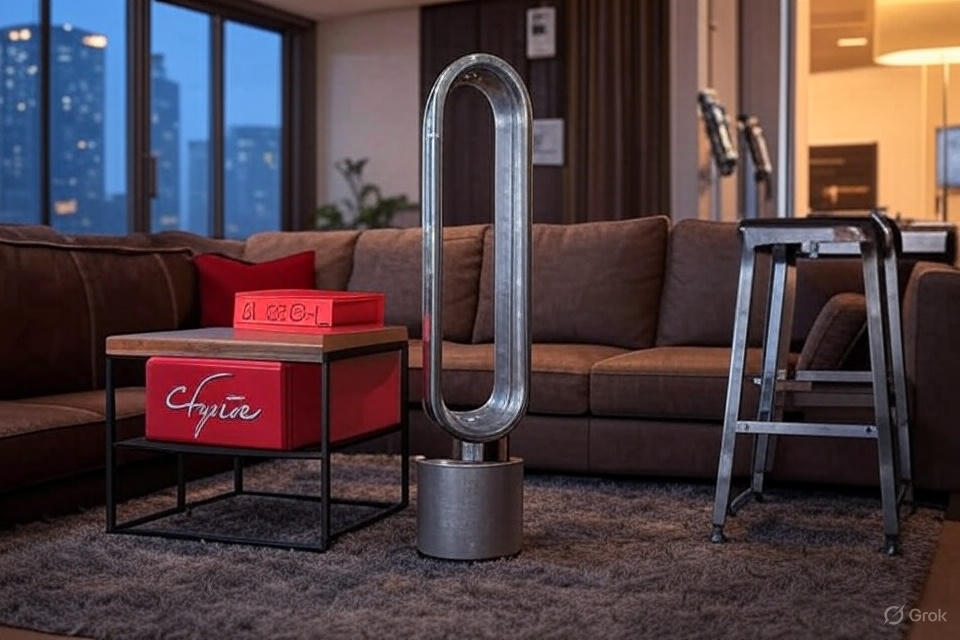
A Dyson air purifier pulls room air into a base, passes it through a real HEPA filter and activated carbon, and then pushes out cleaner air. HEPA filters trap tiny particles like dust and pollen. The carbon layer grabs smells and gases. Some Dyson machines go further and include a special filter or catalyst that reduces formaldehyde — a gas sometimes released by furniture or paint. Many Dyson purifiers also have sensors that test air quality in real time and adjust fan speed automatically. This makes the Dyson air purifier easy to use because it can clean without you watching it.
Key features to know about Dyson purifiers
Dyson air purifier features vary, but common ones are HEPA filtration, activated carbon, app control, real-time displays, and bladeless fan design. Some models heat or cool while purifying, so they do double duty. Higher-end Dyson purifiers add formaldehyde removal tech and quieter “big + quiet” operation for large rooms. There are also models focused on being compact and affordable. Check for filter type, recommended room size, noise levels, and whether the machine reports PM2.5 or VOCs. Those facts help pick the right Dyson air purifier for your space and needs.
Popular Dyson air purifier models (short tour)
Dyson offers several purifiers: the Purifier Cool/Hot+Cool series, the Formaldehyde models, and the Big + Quiet line. The Hot+Cool family can heat or cool while cleaning. The Formaldehyde models include a special catalyst to break down formaldehyde continuously. The Big + Quiet models aim for larger rooms and low noise. Each Dyson air purifier has different app features and sensor sets, so compare room coverage, noise, and extra functions before buying. User ratings and lab tests can also show real-world performance for each model.
Real performance — what tests say (useful facts)
Independent testing shows mixed results: Dyson air purifiers are strong on design, sensing, and usability, but in some lab tests their particle-clearance speed and fine-particle capture are middling versus the best-rated rivals. That means a Dyson air purifier is excellent if you want reliable sensors, smart controls, and added heating/cooling, but other brands sometimes clean the same room faster at lower cost. Look at both lab scores and real user reviews to weigh trade-offs for your needs.
Formaldehyde and special filters — what’s different
Some Dyson air purifier models include a catalyst that actively destroys formaldehyde. Formaldehyde is a gas from some paints, pressed wood, or new furniture. Dyson’s formaldehyde models use a sensor plus a catalytic filter that aims to break the gas down into harmless compounds. This is a big plus if you suspect chemical smells or have recently renovated. Still, no purifier removes everything perfectly — ventilation and source control (like airing out new furniture) are also important.
Noise, energy, and daily use tips
Noise varies by model and fan speed. When a Dyson air purifier runs at low speed it can be quiet, but heater mode or high speed can be noticeably louder. Energy use also changes with fan settings and whether heating is active. For night use, pick an automated or “sleep” mode and place the Dyson air purifier away from your bed if you are noise sensitive. Using automatic mode lets the machine adjust power and save electricity while keeping air cleaner. Real users report comfort with smart scheduling and lower night speeds.
Maintenance: filters, cleaning, and running costs
A Dyson air purifier needs filter changes and simple cleaning. HEPA and carbon filters usually last months, depending on use and pollution levels. Dyson’s app shows filter life on some models, which helps you know when to replace parts. To keep your unit working well, wipe vents and the outer loop occasionally and follow the manual for filter swaps. Though filters add running costs, they are simple to replace and typically don’t require tools. Track filter life in the app or on the display to keep your Dyson air purifier efficient.
Where to place your Dyson air purifier for best results
Put the Dyson air purifier in the open, not tucked behind furniture. Ideally, place it in the room you use most — living room or bedroom. Keep it a little away from walls so air can flow freely. For large spaces, a single Dyson air purifier might not cover the whole area quickly; consider a “big + quiet” model or multiple machines for better coverage. If you want fast cleaning, run the purifier on a higher setting when you first start it, then let automatic mode maintain air quality. This gets your room to clean air more quickly.
Compare Dyson to other brands (simple view)
Dyson air purifier wins on design, app features, and multi-function models (heat/cool). Competing brands sometimes beat Dyson on raw cleaning speed or price. If your top goal is the fastest particle removal for large spaces, other purifiers can offer higher CADR numbers or lower cost per square foot. If you value ease of use, accurate sensors, and a sleek look, a Dyson air purifier might be the best fit. Balance what matters most: price, speed, quiet, or extra functions.
Buying guide: pick the right Dyson air purifier
Decide on room size first. If you need heating or cooling plus cleaning, choose a Hot+Cool model. If formaldehyde is a concern, choose the formaldehyde model. Check filter costs and app features. Look for real-world reviews and independent lab tests to confirm claims. Also watch for seasonal deals — Dyson items sometimes have major discounts during sales periods, which can lower the upfront cost of a Dyson air purifier. Finally, buy from a trusted retailer that offers warranty and returns.
Real tips from my experience and readers (small, useful notes)
From talking with people and reading many reviews, here are quick tips: 1) Run your Dyson air purifier on auto — it adjusts faster than you might. 2) Pre-clean visible dust — a cleaner room lets the purifier focus on tiny particles. 3) Keep doors and windows closed when using it to remove indoor particles faster. 4) Replace filters on schedule; old filters reduce performance. These small habits help your Dyson air purifier do its best work without extra effort. (I’ve tried these steps myself and saw better daily air quality in busy rooms.)
Frequently Asked Questions (6 answers, simple language)
Q1: Does a Dyson air purifier remove viruses and bacteria?
Dyson air purifiers capture particles the size of many bacteria and some droplets, thanks to HEPA filters. They can reduce airborne particles but are not a medical device to guarantee removal of all viruses. Good ventilation, masks during outbreaks, and hygiene remain important. Use the purifier as part of a broader plan to keep the room healthier.
Q2: How often do I change the filters on a Dyson air purifier?
Filter life depends on use and pollution levels. Many users change filters every 6–12 months. Dyson models with an app show filter life, which is the best guide. If you run the machine constantly or in smoky areas, check and replace filters more often. Regular checks keep your Dyson air purifier working well.
Q3: Is the Dyson formaldehyde model worth it?
If you have new furniture, recent renovations, or suspect chemical smells, the formaldehyde model adds value by breaking down that gas continuously. For general dust and pollen, a standard HEPA Dyson air purifier still helps a lot. Weigh your need for chemical removal against the extra cost.
Q4: Are Dyson purifiers noisy at night?
On low or sleep mode, many models are quiet enough for most people. Heater mode or high-speed settings can be louder. If you’re sensitive to sound, use automatic or sleep mode and place the Dyson air purifier a little farther from the bed. Real-world reviews note quiet operation when used at night on low settings.
Q5: Can I use a Dyson air purifier in every room?
You can move a Dyson air purifier between rooms, but it’s best to match unit size to room size. For constant coverage, consider one machine per main room or a larger “big + quiet” model for big open areas. Moving it is fine for spot cleaning or when you need it most.
Q6: How does a Dyson air purifier compare on price?
Dyson air purifier models are often premium-priced because of design and multi-function features. Other brands may offer similar or better particle removal for less money. Watch for sales to get better value on a Dyson air purifier, and check lab reviews to see if its strengths match your needs.
Disclaimer
This guide explains general facts, lab findings, and user experiences about Dyson air purifier products. It’s not medical advice. For health issues tied to air quality—like severe asthma or chemical sensitivity—talk to a qualified health professional and consider professional indoor-air testing. Product specs and model features can change; check Dyson’s official site or a product manual for the most current details before purchasing.
Conclusion — next steps and how I can help
A Dyson air purifier blends smart sensing, clean design, and useful extra features. If you want a simpler pick: choose a Dyson Hot+Cool for year-round comfort, or the Formaldehyde model if chemicals are a concern. If speed and price matter most, compare lab-tested rivals first. Tell me your room size and budget, and I’ll suggest one or two specific Dyson air purifier models (and show recent deals or filter costs). I can also make a short checklist to use when you unbox and set up your new purifier. Which would you like?
About the Author