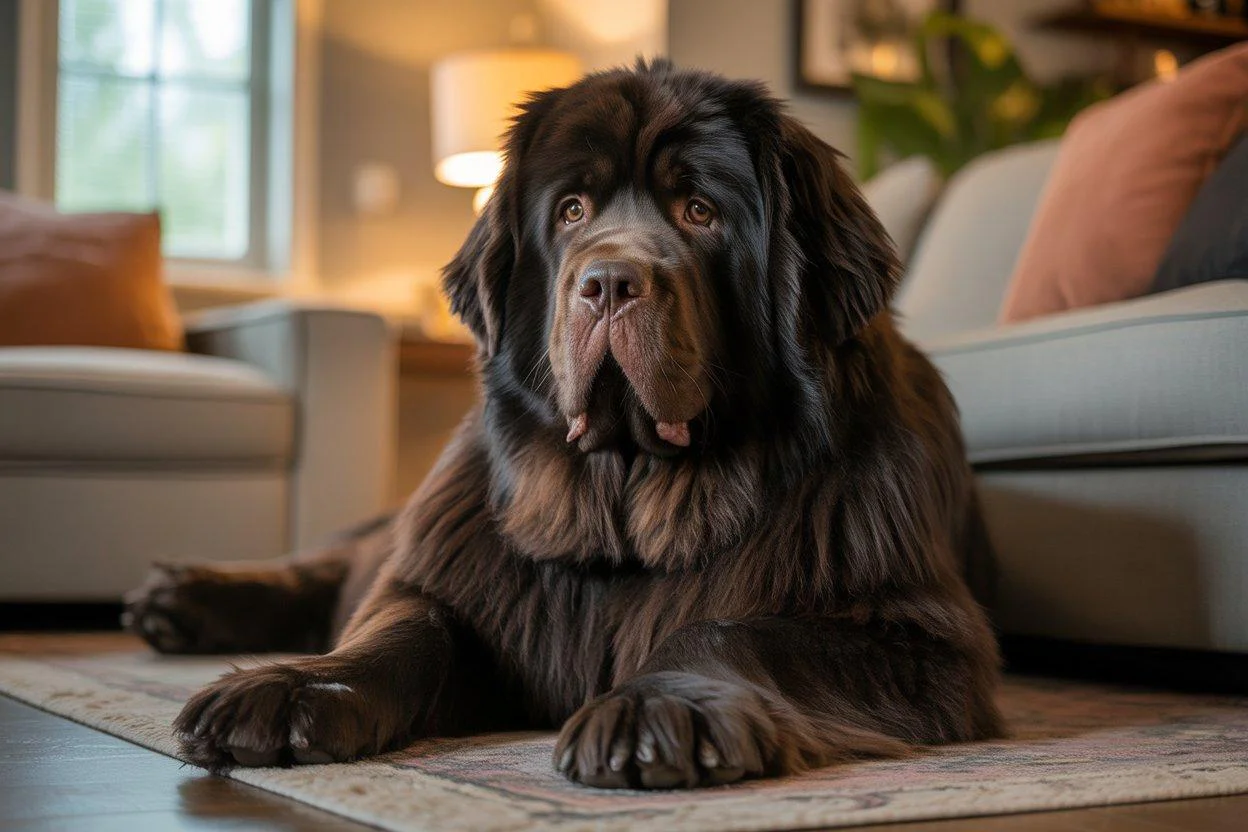
Newfoundland Dog
The Ultimate Guide to the Newfoundland Dog: A Gentle Giant with a Heart of Gold
Discover everything about the Newfoundland dog. Learn about their gentle temperament, massive size, grooming needs, and why they are the ultimate family pet.
0Meet the Newfoundland Dog
If you have ever seen a fluffy, bear-like creature walking down the street and wondered if it was a real dog, you likely met a Newfoundland dog. Often called “Newfies” by those who love them, these dogs are the definition of a gentle giant. They are famous for their sweet nature, incredible strength, and love for the water. Whether they are acting as a “nanny dog” for children or working as a brave water rescue hero, the Newfoundland dog is a breed like no other. In this guide, we will dive deep into their history, personality, and what it takes to care for one of these massive, loving companions.
1Newfoundland Dog: A Detailed Biography
To understand the Newfoundland dog, you first have to look at where they came from. Originating from the icy shores of Newfoundland, Canada, these dogs were bred to be hard workers. They helped fishermen pull in heavy nets and even rescued people from the freezing Atlantic Ocean. Because of this, they developed a thick, water-resistant coat and webbed feet that make them champion swimmers. Today, they are more likely to be found napping on a living room rug than hauling nets, but they still carry that same brave and loyal spirit.
2The Remarkable History of the Newfie
The Newfoundland dog has a history filled with legends and heroics. Legend says these dogs are descendants of the Viking “bear dogs” or perhaps Tibetan Mastiffs brought to Canada by European explorers. For centuries, they lived alongside fishermen in the North Atlantic. Their job was tough; they pulled carts, hauled wood, and jumped into the ocean to save sailors who fell overboard.
One of the most famous Newfies was “Seaman,” the dog who accompanied Lewis and Clark on their famous expedition across America. He protected the team from bears and helped hunt for food. Another famous Newfie named “Boatswain” was owned by the poet Lord Byron, who wrote that the dog possessed “all the virtues of man without his vices.” This long history of service has made the breed incredibly devoted to humans.
3Appearance: The Bear-Like Beauty
The first thing you notice about a Newfoundland dog is their massive size. They are heavy-boned, powerful dogs with a large, broad head and soft, soulful eyes. Their ears are small and sit close to their head, giving them a very kind expression. Because they were built for the water, their body is slightly longer than it is tall, allowing them to swim with great endurance.
Their coat is another standout feature. It is a “double coat,” meaning it has a soft, dense underlayer for warmth and a coarser, oily outer layer that repels water. When a Newfie shakes after a swim, you’ll notice they dry off surprisingly fast! While black is the most common color, you can also find them in beautiful shades of chocolate brown, gray, or the black-and-white pattern known as the “Landseer.”
4Temperament: The World’s Gentlest Soul
If you want a dog that is literally a giant teddy bear, the Newfoundland dog is the one for you. The breed standard actually states that a “sweetness of temperament” is the most important trait of the breed. They are incredibly patient, which is why they have earned the nickname “the nanny dog.” They seem to have a natural instinct to protect and care for small children.
However, don’t let their calm nature fool you. They are very alert and will place themselves between their family and a stranger if they feel a threat. They aren’t aggressive barkers, but their sheer size is usually enough to make anyone think twice. They thrive on human companionship and can get very sad if they are left alone for too long. They want to be wherever you are—usually sitting right on your feet!
5Training Your Gentle Giant
Training a Newfoundland dog is a unique experience. They are very smart and want to make you happy, which makes them easier to train than some other large breeds. However, they are also sensitive souls. If you use a harsh tone or get angry, they might shut down or hide. Positive reinforcement, such as treats and lots of praise, works wonders with them.
It is very important to start training when they are puppies. A 150-pound dog that hasn’t learned not to jump on people or pull on the leash can be a real challenge! Socialization is also key. Even though they are naturally friendly, you should introduce your Newfie to different people, sounds, and other animals early on. This ensures they grow up to be the confident, well-adjusted adults they are meant to be.
6Exercise Needs: Not Just a Couch Potato
While the Newfoundland dog loves a good nap, they still need regular exercise to stay healthy. Because they are so heavy, extra weight can put a lot of strain on their joints. A couple of 20-minute walks a day are usually enough to keep an adult Newfie happy. They aren’t the best jogging partners because they can overheat easily, but they love a slow stroll through the woods.
Swimming is the absolute best exercise for this breed. It allows them to burn energy without putting any pressure on their hips or elbows. If you live near a lake or have a pool, your Newfie will be in heaven. Just be prepared for a very wet dog and a lot of “wet dog smell” afterwards! They also enjoy activities like carting or “draft work,” where they pull small wagons, which taps into their working-dog roots.
7Grooming: Dealing with the Floof and Drool
Let’s be honest: owning a Newfoundland dog involves a lot of hair and a bit of slime. Their thick double coat sheds year-round, but twice a year (in the spring and fall), they “blow” their coat. During these times, you will find clumps of fur in every corner of your house. Brushing them at least two or three times a week is necessary to prevent mats and keep their skin healthy.
Then, there is the drool. Newfies have “loose flews” (jowls), which means they tend to slobber, especially after eating or drinking. Most Newfie owners keep “slobber towels” scattered around the house to wipe their dog’s face. If you are very picky about a spotless house, this might not be the breed for you. But for most fans of the breed, a little drool is a small price to pay for such a loving companion.
8Health and Lifespan
Like many giant dog breeds, the Newfoundland dog has a shorter lifespan than smaller dogs, usually living between 8 and 10 years. Because of their size, they are prone to certain health issues that owners should watch out for. Hip and elbow dysplasia are common, which is why it’s important to get a puppy from a breeder who tests the parents’ joints.
Another serious concern is “bloat” (GDV), a life-threatening condition where the stomach twists. To prevent this, it’s best to feed them several small meals a day rather than one large one. They can also suffer from a heart condition called SAS (Subvalvular Aortic Stenosis). Regular vet check-ups and a healthy diet are the best ways to ensure your Newfie lives a long, happy life. Keeping them at a lean weight is the kindest thing you can do for their joints.
9Is a Newfie Right for Your Home?
Before you bring home a Newfoundland dog, you need to consider your living space. These are not apartment dogs. They need room to turn around without knocking over a lamp with their tail! A house with a fenced yard is ideal. You also need to think about the climate. Newfies have very thick fur and can overheat quickly in hot, humid weather. If you live in a tropical climate, you must have air conditioning and limit their outdoor time during the day.
You should also consider the cost. Everything is more expensive with a giant dog. They eat a lot of food, their flea and tick medicine costs more, and vet bills for surgeries or treatments can be high. However, if you have the space, the budget, and the patience for a little mess, the love you get back from a Newfie is immeasurable. They truly become the heart of the home.
10Feeding Your Giant Friend
Feeding a Newfoundland dog requires a bit of strategy. As puppies, they grow incredibly fast. It’s important to feed them a “large breed puppy food” that controls their growth rate. If they grow too fast, it can cause permanent damage to their developing bones and joints. Once they are adults, they don’t actually need as much food as you might think because their metabolism is quite slow.
Most adult Newfies do well on high-quality dry kibble, but you should always consult with your vet about the right amount. Obesity is a major enemy for this breed. If you can’t feel your dog’s ribs, they are likely carrying too much weight. Avoid giving too many table scraps, and stick to healthy treats like carrots or green beans if you want to spoil them without the extra calories.
11The “Landseer” Newfoundland
You might hear people talk about the “Landseer” dog. This is actually a specific color variety of the Newfoundland dog that is white with black markings. It was named after the famous painter Sir Edwin Landseer, who loved to feature these beautiful dogs in his artwork. In some parts of Europe, the Landseer is considered a separate breed, but in the United States and Canada, it is simply a color of the Newfoundland.
Landseers have the same sweet temperament and working ability as the solid-colored Newfies. They are often described as looking a bit like a giant, fluffy cow! Regardless of the color, the personality remains the same. Whether they are all black, brown, or black-and-white, they are all 100% focused on being your best friend.
12Frequently Asked Questions (FAQs)
1. Do Newfoundland dogs bark a lot? ▾
Generally, no. The Newfoundland dog is a relatively quiet breed. They usually only bark to alert you if someone is at the door or if they feel something is wrong. They are watchful rather than yappy.
2. Are they good with other pets? ▾
Yes! Most Newfies are very gentle with other dogs and even cats. Because they have a low prey drive, they usually get along well with smaller animals. Just be careful with very small pets, as a Newfie might accidentally step on them.
3. How much do they shed? ▾
A lot. Be prepared to vacuum daily. They have a heavy double coat that drops fur year-round, with much heavier shedding in the spring and autumn. Regular grooming helps, but you will definitely see fur on your clothes and furniture.
4. Can they live in warm climates? ▾
They can, but it’s difficult for them. A Newfoundland dog is built for the cold. If you live in a hot area, they need to stay indoors with AC during the day and only go for walks in the early morning or late evening when it’s cool.
5. Are they easy to housebreak? ▾
Yes, they are quite intelligent and usually pick up on house training quickly. Like any puppy, they need a consistent schedule and positive reinforcement. Because they are so large, you’ll want to get this handled early.
6. Why do they drool so much? ▾
It’s due to the shape of their lips and jaw. Water and saliva get trapped in their jowls and eventually spill out. It usually happens most after they drink water or when they are smelling something delicious.
13Conclusion: A Life Changed by a Newfie
Choosing to bring a Newfoundland dog into your life is a big decision—literally! They require a lot of space, a good vacuum cleaner, and a commitment to their health. But in return, you get a companion that is more loyal and loving than almost any other. They are the ultimate gentle giants, offering a sense of calm and safety to any home they live in. Whether they are swimming in a lake or snuggling on the sofa, a Newfie makes every day a little brighter.
Tap the button to open the guide in a new page.
Tip: If WordPress editor hides styles, switch block to “Custom HTML” and make sure your theme doesn’t strip inline CSS.
About the Author