Hyper Independence: Why Doing Everything Alone Might Be a Trauma Response 2026
Understanding the Hidden Truth of Hyper Independence
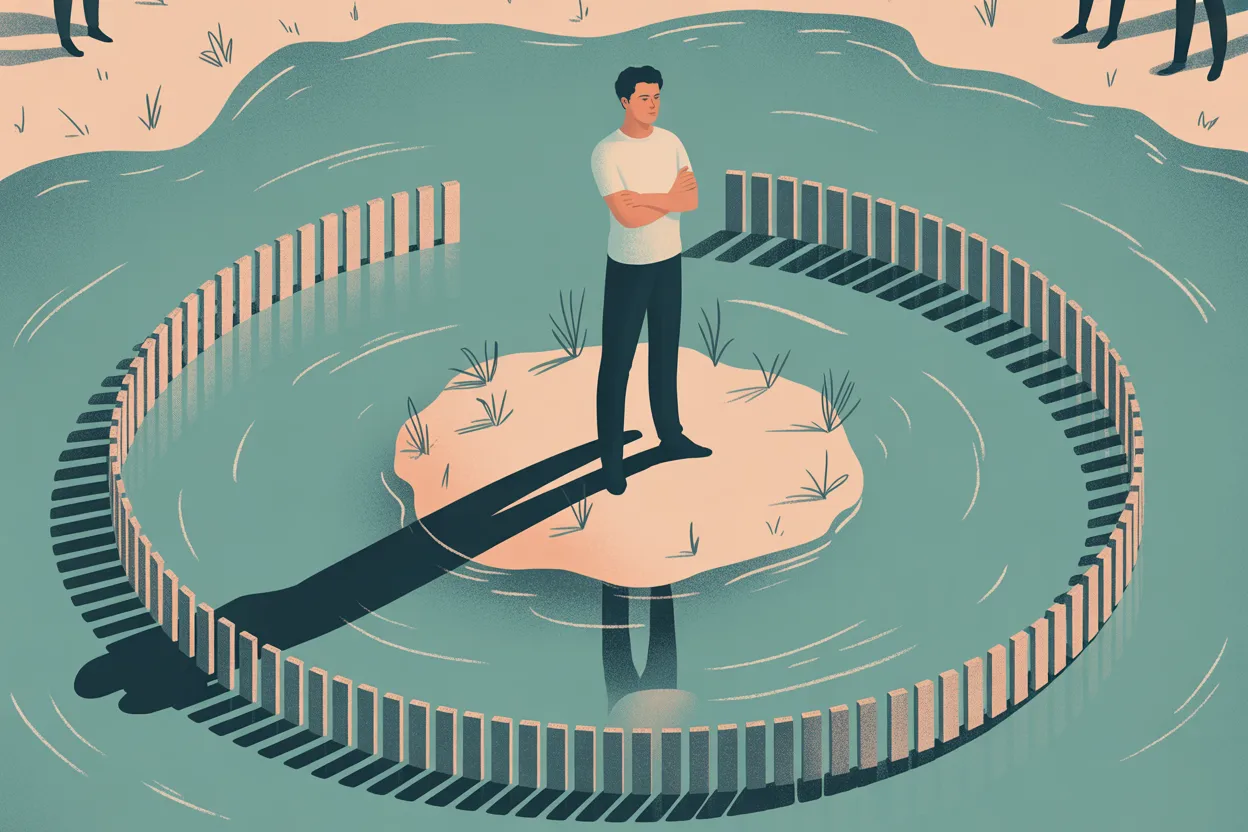
If you pride yourself on never asking for help, you might be dealing with hyper independence. At first glance, being self-reliant seems like a superpower in our busy world. We celebrate people who “do it all” without breaking a sweat. However, there is a big difference between being capable and being unable to let others in. When you feel like you must do everything alone to stay safe, it is no longer just a personality trait. It becomes a protective wall that keeps the world at a distance. This behavior often stems from deep-seated needs for control and safety that were missing in the past.
Many people wonder, what is hyper independence exactly? In simple terms, it is an extreme form of self-reliance where a person refuses support from others, even when they truly need it. It is not just about being a “hard worker” or an “alpha” personality. Instead, it is a psychological state where the idea of depending on someone else feels dangerous or weak. You might find yourself taking on too many tasks at work or refusing a hand with the groceries. While it looks like strength from the outside, it often feels like heavy exhaustion on the inside.
Defining the Core Meaning of Being Overly Independent
To truly define hyper independence, we have to look at the internal drive behind the action. The hyper independence meaning goes beyond just being “independent.” A truly independent person knows they are capable but can still collaborate with others. A hyper-independent person, however, feels a sense of panic or intense discomfort when they have to rely on someone else. This happens because they have learned that other people are not reliable. They believe that if they want something done right—or done at all—they have to be the ones to do it.
The hyper independence definition is often linked to a “lone wolf” mentality that serves as a shield. Think of it as a survival strategy that outlived its usefulness. When you were younger, maybe you had to be the adult in the room. Now, as an adult, your brain still thinks you are in “survival mode.” This makes you push people away before they have a chance to let you down. It is a lonely way to live, but it feels like the only way to stay in control of your own life and emotions.
The Key Signs of Hyper Independence You Should Know
Recognizing the signs of hyper independence is the first step toward finding balance. One major sign is a total dislike of asking for help, even for small things. You might also struggle to delegate tasks at work because you don’t trust others to meet your standards. Another common sign is feeling “smothered” when someone tries to care for you. You might get angry or annoyed when a friend offers a favor. This happens because your brain views their kindness as a threat to your autonomy or a debt you can’t pay back.
Other signs include being a “secret overachiever” who hides their stress from everyone. You might feel like you are the only responsible person in your circle. You probably have a hard time making deep connections because intimacy requires vulnerability. If you feel like you always have to be the “strong one” for your friends and family, you are likely experiencing this. You might also find yourself over-committing to projects just to prove that you don’t need anyone’s assistance. These behaviors are exhausting and often lead to burnout.
Is Hyper Independence a Trauma Response?
Many experts are now asking, is hyper independence a trauma response? The answer for most people is a resounding yes. When we talk about hyper independence trauma, we are talking about how the brain adapts to neglect or betrayal. If a child grows up in a home where their needs weren’t met, they learn a hard lesson: “I am the only one I can count on.” This is not a choice they made; it was a way to survive an environment that felt unstable or unsafe.
Using hyper independence as a trauma response is basically a way of “firing” the rest of the world. By deciding that you don’t need anyone, you ensure that no one can ever disappoint you again. It is a defense mechanism built on the fear of abandonment. If you don’t let people close enough to help you, they can’t leave you in a lurch. While this keeps you safe from disappointment, it also locks you in a cage of your own making. You end up carrying the weight of the world on your shoulders.
What Causes Hyper Independence to Develop?
When looking at what causes hyper independence, we often find roots in childhood experiences. It often starts with “parentification,” which is when a child has to take on adult roles. This could be because a parent was ill, struggled with addiction, or was emotionally absent. The child learns that their own needs come last and that they must be the “fixer.” Over time, this role becomes their entire identity. They grow up believing that their value only comes from what they can do for themselves and others.
Another cause is experiencing a major betrayal in a past relationship. If you trusted someone deeply and they hurt you, your brain might over-correct. It decides that trusting anyone ever again is too risky. This leads to a rigid lifestyle where you manage every detail of your day to avoid needing anyone. Cultural factors also play a role, as many societies praise “rugged individualism.” We are told that we should be self-made, which makes us feel ashamed when we actually need a support system to get through life.
Hyper Independence in Women: The “Strong Woman” Trap
We see a lot of hyper independence in women because of societal pressures and family dynamics. Women are often praised for being “the rock” of the family. They are expected to manage the household, excel at work, and take care of everyone’s emotions. This creates a cycle where women feel they cannot show any weakness. They become “hyper-independent” because the world expects them to be invincible. This leads to a high level of silent stress and physical exhaustion that many women carry for years.
For many women, this is also a safety tactic. In a world that can feel unpredictable, being totally self-sufficient feels like protection. They might feel that if they ask for help, they are giving up their power or inviting someone to control them. This “strong black woman” or “supermom” trope is actually a form of hyper independence trauma response. It prevents them from receiving the rest and care they truly deserve. Breaking this cycle means learning that being “strong” also includes the strength to be vulnerability.
| Feature | Description |
|---|---|
| Core Definition | An extreme refusal of help and a total reliance on oneself. |
| Common Trigger | Childhood neglect, betrayal, or being forced to grow up too fast. |
| Primary Goal | To avoid being let down, hurt, or controlled by others. |
| The Cost | Chronic stress, loneliness, burnout, and shallow relationships. |
| Key Symptom | Feeling intense guilt or anger when offered assistance. |
| Recovery Path | Learning to trust, setting boundaries, and practicing vulnerability. |
How to Heal and Find Balance Again
Healing from hyper independence is not about becoming “needy.” It is about reaching a state of “interdependence.” This is where you know you are capable, but you also value the strength of a community. You can start by practicing “micro-asks.” Ask someone to grab you a glass of water or help you move a light box. These small moments retrain your brain to see that nothing bad happens when you receive help. It teaches your nervous system that it is safe to let go of the reins occasionally.
Working with a therapist is also very helpful. Since what is hyper independence is often a response to past pain, talking it through helps. You can uncover the specific memories that made you feel you had to be so strong. Learning to set “internal boundaries” is also key. This means telling yourself, “I don’t have to do this all alone to be worthy.” Over time, the wall you built for protection will start to come down. You will find that life is much lighter when you aren’t carrying it all by yourself.
Frequently Asked Questions
No, it is not a diagnosed mental illness. However, it is a recognized psychological behavior and a common trauma response. It is often discussed by therapists as a symptom of C-PTSD or attachment issues.
Self-sufficiency is healthy. It means you can do things for yourself. Hyper independence means you feel you must do things yourself and feel extreme distress if you cannot.
Yes. Constantly being in a state of high self-reliance keeps your body in “fight or flight” mode. This can lead to high cortisol levels, sleep issues, and physical exhaustion or burnout.
This guilt usually comes from a feeling that you owe them something. If you grew up where help came with “strings attached,” you might fear that accepting help today means losing your freedom tomorrow.
Absolutely. Men are often taught that asking for help is “weak.” This social pressure can lead to a severe hyper independence trauma response, causing them to isolate themselves during hard times.
The first step is awareness. Simply noticing when you are reflexively saying “No, I’ve got it!” is huge. Once you notice it, you can pause and try to say “Yes, thank you” instead.
Conclusion: Embracing the Strength in Community
Living with hyper independence is like running a marathon while carrying a heavy backpack that you refuse to take off. You might be winning the race, but you are also wearing yourself out. By understanding that this behavior is often a trauma response, you can start to have more compassion for yourself. You aren’t “stubborn” or “difficult”—you are someone who learned to survive in a world that didn’t always support you. But you don’t have to live in survival mode anymore.
Real strength isn’t about doing everything alone; it’s about having the courage to let people in. When you allow others to help, you give them the gift of being useful and you give yourself the gift of rest. Transitioning from being hyper-independent to interdependent will improve your relationships, your health, and your happiness. You deserve to be supported just as much as you support others.