Cincinnati Weather Guide 2026: Your Ultimate Seasonal Forecast and Expert Tips
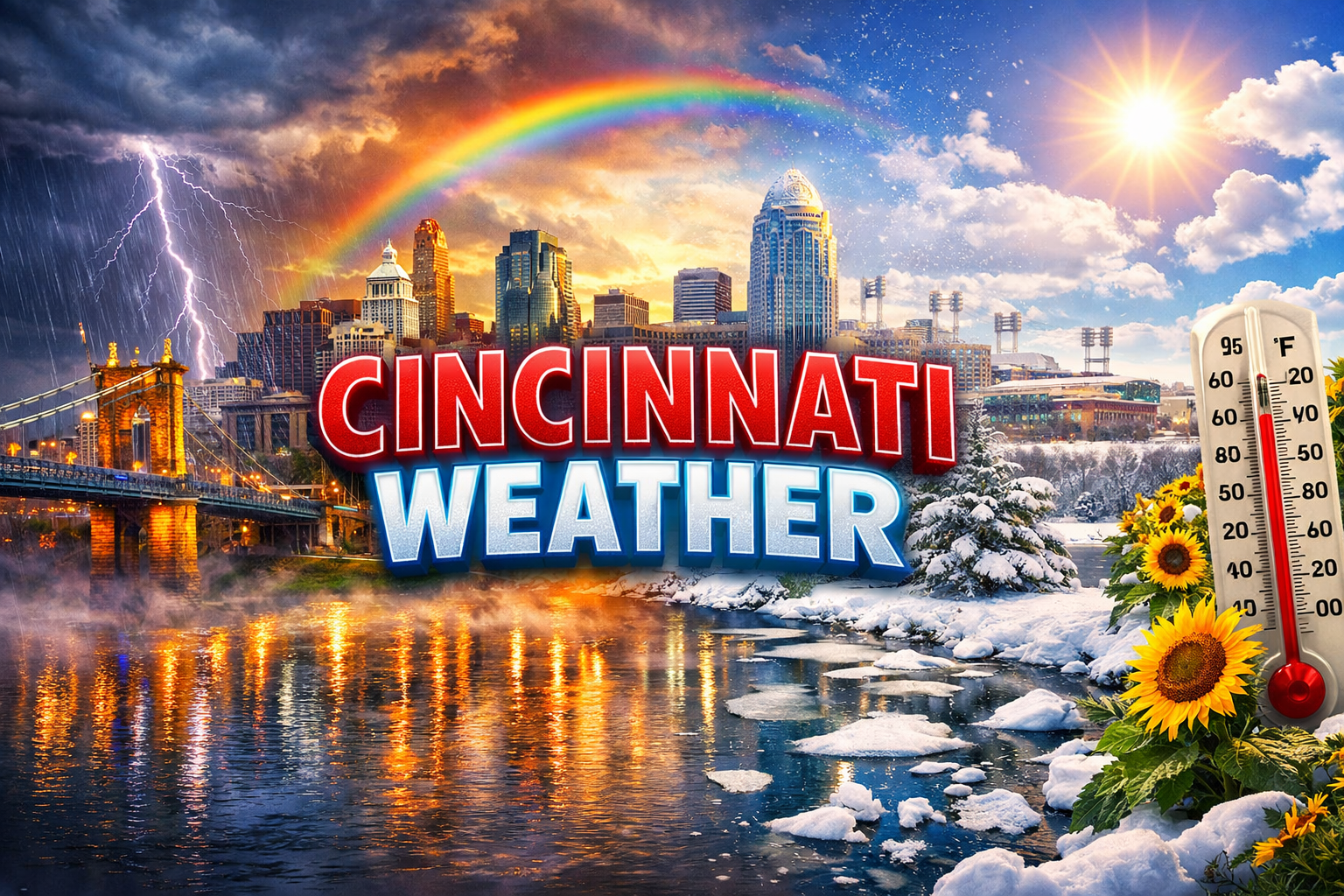
Discovering the Magic of Cincinnati Weather
If you are planning a trip to the Ohio River Valley, understanding the Cincinnati weather is your first step toward an amazing adventure. This city is famous for its “four distinct seasons,” which means you get a little bit of everything throughout the year. One day you might be wearing a light sweater while walking through Eden Park, and the next, you could be reaching for a heavy coat as a cold front sweeps through the region.
The beauty of the local climate is that it keeps life interesting and offers a diverse range of activities for every type of traveler. By getting a handle on the typical patterns, you can ensure that your visit to the Queen City is comfortable, safe, and filled with the very best experiences this vibrant metropolitan area has to offer.
When we talk about the Cincinnati weather, we are looking at a humid continental climate. This sounds fancy, but it basically means we have warm, humid summers and cold, snowy winters. Because the city sits right on the edge of the Bluegrass region to the south and the Till Plains to the north, we often see quick changes in the forecast.
It is this dynamic nature that makes the local atmosphere so unique. Whether you are a fan of the crisp autumn air or the bright sunshine of July, there is a perfect time for you to explore. In this guide, we will break down every season and provide you with the professional insights you need to navigate the skies like a local pro.
Spring Blossoms and Changing Skies
Spring is a time of incredible renewal in the Queen City, and the Cincinnati weather during these months is a breath of fresh air. Starting in March, the chilly winter grip begins to loosen, though you should still expect a few frosty mornings. By April and May, the city truly comes alive with blooming tulips and budding trees.
This is arguably one of the most beautiful times to visit, especially if you enjoy hiking or visiting the world-famous Cincinnati Zoo. However, spring also brings the most rain to the region. May is historically the wettest month, so keeping a sturdy umbrella in your car or bag is a must if you want to stay dry while exploring the downtown streets.
The temperatures during a Cincinnati spring can swing quite a bit. You might start your morning at a brisk 40°F and find yourself basking in 70°F sunshine by the afternoon. This “layering weather” is a hallmark of the Ohio Valley. While the rain is frequent, it often comes in short, refreshing bursts that leave the city looking lush and green.
If you are a fan of baseball, the legendary Opening Day for the Cincinnati Reds usually features some of the most anticipated Cincinnati weather of the year. It marks the unofficial start of the outdoor season, where everyone heads to the banks of the river to celebrate the return of warmth and sunshine.
Sizzling Summers on the Ohio River
When June rolls around, the Cincinnati weather shifts into high gear with plenty of heat and humidity. Summer in the city is all about outdoor festivals, riverfront concerts, and enjoying a cold scoop of Graeter’s ice cream. July is typically the hottest month, with average highs reaching the mid-80s, though it is not uncommon to see the mercury climb into the 90s.
The humidity can make it feel even warmer, creating what locals call “sticky” days. Despite the heat, this is the peak of the tourist season because the city is buzzing with energy. From the Bunbury Music Festival to fireworks over the river, summer offers a non-stop schedule of fun.
Safety is key during these warmer months. Because the Cincinnati weather can be so humid, staying hydrated is incredibly important if you are spending the day at an amusement park like Kings Island. Afternoon thunderstorms are also a regular occurrence in the summer.
These storms can pop up quickly, providing a brief but intense cooling effect before the sun comes back out. Most locals don’t let a little rain ruin their plans; they just head inside a museum or shop for thirty minutes until the clouds clear. If you love long days with nearly 15 hours of daylight, summer is definitely the best time for your Cincinnati getaway.
Autumn Colors and Crisp Evenings
Many residents will tell you that autumn is their favorite time for Cincinnati weather. Starting in September, the oppressive humidity of summer begins to fade, replaced by cool, crisp air that feels absolutely revitalizing. October is widely considered the “sweet spot” of the entire year. The temperatures are mild, usually resting in the 60s, which is perfect for wearing your favorite flannel shirt.
This is also the time when the foliage turns into a stunning display of reds, oranges, and yellows. Taking a drive along the scenic river roads or visiting a local pumpkin patch becomes a top priority for families across the tri-state area.
The fall season also tends to be one of the drier periods for Cincinnati weather, making it ideal for outdoor weddings and football games. As November approaches, the evenings start to get much colder, signaling that winter is just around the corner. The transition is usually gradual, allowing you to enjoy the crunch of fallen leaves for several weeks.
If you are a photographer or just someone who appreciates natural beauty, the autumn light in Cincinnati provides a golden glow that is hard to beat. It is a peaceful, picturesque season that offers a perfect balance between the heat of summer and the impending winter chill.
Winter Wonderlands and Cozy Retreats
Winter brings a quiet beauty to the region, and the Cincinnati weather from December through February can be quite festive. While we don’t get as much snow as cities further north like Cleveland or Buffalo, we still see our fair share of white blankets. January is typically the coldest month, with temperatures often dipping below freezing.
This is the time for ice skating at Fountain Square or taking in the Festival of Lights at the Zoo. The air is sharp and cold, so heavy coats, gloves, and hats are essential. Snowfall usually averages around 15 inches for the season, which is just enough to look pretty without making travel too difficult.
One thing to watch out for with winter Cincinnati weather is the occasional “ice storm” or “cold snap.” Because we are in a river valley, moisture can sometimes freeze on the trees and roads, creating a glittering but slippery landscape.
However, the city is very well-prepared for these events, and the crews do a great job of keeping the main roads clear. When the wind blows off the river, the “wind chill” can make it feel much colder than the actual thermometer reading. It’s a great excuse to duck into a cozy coffee shop or enjoy a bowl of world-famous Cincinnati chili to warm up from the inside out.
Annual Climate Statistics at a Glance
To help you plan your trip with precision, we have compiled a detailed table of the average Cincinnati weather patterns. These stats are based on long-term historical data from the National Weather Service.
| Month | Avg High (°F) | Avg Low (°F) | Precipitation (Inches) | Typical Conditions |
| January | 39°F | 24°F | 3.0″ | Cold, Snowy, Windiest Month |
| February | 43°F | 27°F | 2.9″ | Cold, Occasional Snow |
| March | 54°F | 36°F | 3.8″ | Chilly, Turning Green |
| April | 65°F | 45°F | 4.1″ | Mild, Rain Showers |
| May | 74°F | 55°F | 4.8″ | Warm, Wettest Month |
| June | 82°F | 64°F | 4.5″ | Hot, Humid, Sunny |
| July | 86°F | 68°F | 3.9″ | Hottest Month, High Humidity |
| August | 85°F | 66°F | 3.4″ | Warm, Humid, Great for Parks |
| September | 78°F | 58°F | 3.1″ | Pleasant, Lower Humidity |
| October | 66°F | 46°F | 3.0″ | Crisp, Fall Foliage Peak |
| November | 54°F | 36°F | 3.2″ | Chilly, Transition to Winter |
| December | 43°F | 29°F | 3.3″ | Cold, Holiday Spirit |
Tips for Packing and Travel
When dealing with the unpredictable Cincinnati weather, my best advice is to always check a 24-hour forecast before you head out. Because the weather can change so rapidly, what you see in the morning might not be what you get in the evening. For travelers visiting in the spring or fall, a medium-weight jacket is your best friend. For summer visits, choose breathable fabrics like cotton or linen to help manage the humidity. If you are coming in the winter, make sure your boots have good traction, as the sidewalks can sometimes be a bit slick after a light dusting of snow or freezing rain.
Another professional tip for navigating the Cincinnati weather is to utilize the city’s indoor skywalk system and various tunnels if you are staying downtown during a rainy or very cold day. This allows you to move between major buildings and hotels without ever stepping outside. Also, if you plan on driving, be aware that the hills of Cincinnati can be a bit tricky during a snowstorm. If you aren’t used to driving on inclines in wintry conditions, it might be better to use a rideshare service or the local streetcar. Being prepared ensures that you spend more time enjoying the sights and less time worrying about the elements.
Severe Weather Safety and Awareness
While most days are perfectly pleasant, the Cincinnati weather can occasionally turn severe. The Ohio Valley is known for being part of a region that can experience strong thunderstorms and, on rare occasions, tornadoes. The city takes safety very seriously, and there is a robust warning system in place. On the first Wednesday of every month at noon, you will hear the outdoor warning sirens being tested. This is perfectly normal! If you hear these sirens at any other time, it means you should head indoors and check a local news station or weather app for updates on a possible warning in Hamilton County.
Flooding is another factor to consider, particularly along the banks of the Ohio River during a very wet spring. The city has built wonderful parks like Smale Riverfront Park specifically to handle rising water levels without damaging the infrastructure. Most of the time, this doesn’t affect tourists, but it is a fascinating part of how the Cincinnati weather shapes the geography of the city. By staying informed and following the guidance of local meteorologists, you can rest easy knowing that you are safe and sound while enjoying everything the Queen City has to offer.
The Best Time to Visit Cincinnati
If you are looking for the absolute best Cincinnati weather for sightseeing, I highly recommend aiming for late May or early October. In late May, the gardens are in full bloom, the temperatures are warm but not scorching, and the city’s energy is at an all-time high. Early October offers that perfect “crisp” feeling where you can spend the entire day outside without breaking a sweat. Both of these windows provide the most comfortable conditions for walking through the historic Over-the-Rhine district or taking a stroll across the Roebling Suspension Bridge into Kentucky for a different view of the skyline.
Of course, the “best” time depends on what you love to do. If you are a budget traveler, visiting during the winter months can often lead to lower hotel rates and fewer crowds at popular attractions like the Newport Aquarium. For families, the summer months are ideal because all the water parks and outdoor venues are fully operational. No matter when you choose to come, the Cincinnati weather provides a backdrop that is uniquely Midwestern—full of character, variety, and a touch of drama that makes every visit memorable. The Queen City is waiting for you, rain or shine!
Conclusion: Embrace the Queen City Skies
In conclusion, the Cincinnati weather is a dynamic and essential part of what makes this city so special. From the emerald greens of spring to the sparkling white of winter, every season offers a new way to fall in love with the Ohio River Valley. By understanding the climate patterns and packing accordingly, you can make the most of your trip and create memories that will last a lifetime. Whether you are here for the thrill of a summer festival or the quiet beauty of a fall hike, Cincinnati has a way of showing off its best side no matter what the thermometer says.
So, are you ready to pack your bags and experience the Queen City for yourself? Don’t let a little rain or a chill in the air stop you from exploring one of the most historic and friendly cities in the United States. With this guide in hand, you are now an expert on the local skies and ready to tackle any forecast. We can’t wait to see you here in the heart of the Midwest!
FAQs
Does it snow a lot in Cincinnati?
Cincinnati gets a moderate amount of snow, averaging about 15 inches per year. While we do have some snowy days, the city rarely experiences the massive “lake effect” snow found in cities like Cleveland. Most snowfalls are light and melt within a few days.
What is the hottest month in Cincinnati?
July is typically the hottest month for Cincinnati weather, with average highs in the mid-80s. However, the high humidity can often make it feel like it is in the 90s, so it is important to stay hydrated.
When is the best time to see fall colors?
The peak for fall foliage in Cincinnati is usually in mid-to-late October. This is when the maples and oaks turn vibrant shades of red and gold, making it the perfect time for photography.
Is Cincinnati in Tornado Alley?
While Cincinnati is not in the traditional “Tornado Alley,” the region can experience severe thunderstorms and occasional tornadoes, especially during the spring and early summer months. The city has excellent warning systems in place to keep residents and visitors safe.
Is May a good time to visit?
May is a beautiful time to visit because the flowers are in bloom and the air is warm. However, it is also the wettest month, so you should definitely pack a raincoat or umbrella for your trip.